
Pain Relief
Persistent aches and soreness can hold everything else back. Explore approaches studied for pain, inflammation and tissue recovery — with honest expectations and a clear line on when to see a professional.
Does this sound like you?
For everyday aches and recovery, the options below are worth exploring — but genuine or persistent pain deserves a proper diagnosis first.
What the evidence suggests
Pain is complex and individual — it is shaped by tissue, nervous system and context. For everyday soreness and recovery, several modalities are studied for supporting comfort and tissue repair: pulsed electromagnetic fields, red and near-infrared light, and cold. Evidence varies by condition and outcome, and these are best thought of as supportive rather than curative. Importantly, they do not replace diagnosis — unexplained, severe or persistent pain needs assessment.
Areas to explore
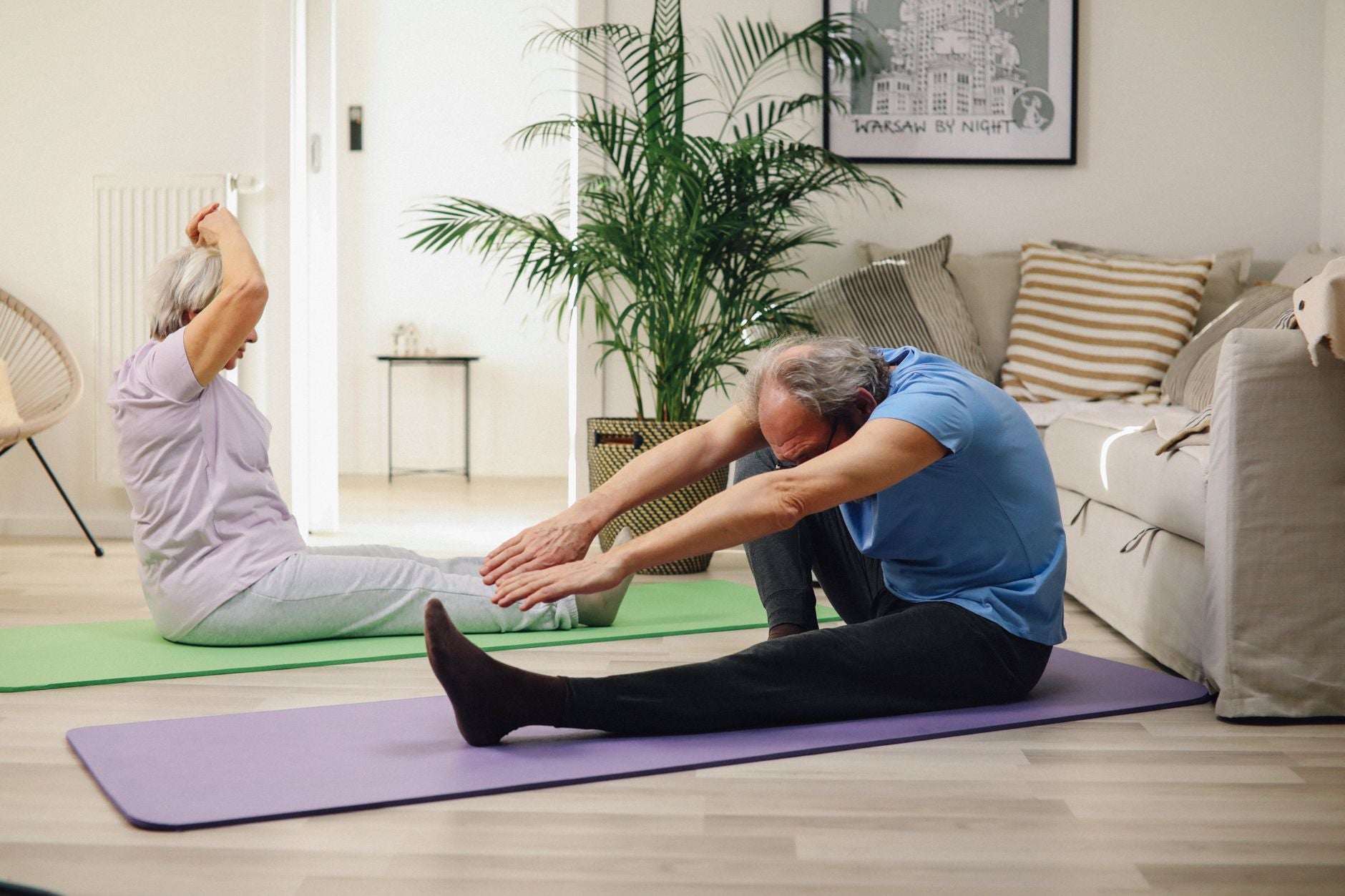
Exercise & Recovery
Gentle movement and gradual loading are central to managing persistent pain. Where to begin, safely.
Explore the evidence →Nervous System Health
Persistent pain is shaped by the nervous system, not just the tissue — and that changes how you manage it.
Explore the evidence →Better Sleep
Poor sleep amplifies pain. Improving it is one of the most underrated ways to turn the volume down.
Explore the evidence →Red Light
Photobiomodulation and its studied role in inflammation and tissue recovery. An honest read of the research.
Explore the evidence →A simple starting protocol
- Get a diagnosis first.For anything beyond everyday soreness, know what you are dealing with.
- Keep moving within comfort.Gentle movement usually beats total rest for everyday aches.
- Use cold for flare-ups.Short cold exposure can ease acute soreness.
- Try light or PEMF as adjuncts.Low-risk supports to explore alongside proper care.
- Support recovery.Sleep and load management help tissues repair.
- Reassess.If it isn’t improving, escalate to a professional rather than more gadgets.
Common questions
Why does my pain persist even after healing?
What are sensible first steps?
When must I see a professional?
Can red light or cold really help with pain?
Keep this for later
Guide coming soonEmail me my Pain Relief Guide
We are finalising the Pain Relief Guide — a short, evidence-based companion to this journey. Add your name and email and we will send it the moment it is ready. No spam, no jargon.
Thanks — you are on the list for the Pain Relief Guide. We will email you the moment it is ready.
Disclaimer
Important information. This guide is for educational purposes only and is based on the best available independent evidence at the time of publication. It is not intended to diagnose, treat, cure or prevent any medical condition, and should not replace advice from your doctor or another qualified healthcare professional. Individual responses vary. Always seek personalised medical advice before making significant changes to your health routine, particularly if you have a medical condition, are pregnant, or take prescription medications.
Last reviewed: August 2026 · Evidence: current at publication.