


Sauna and Blood Pressure
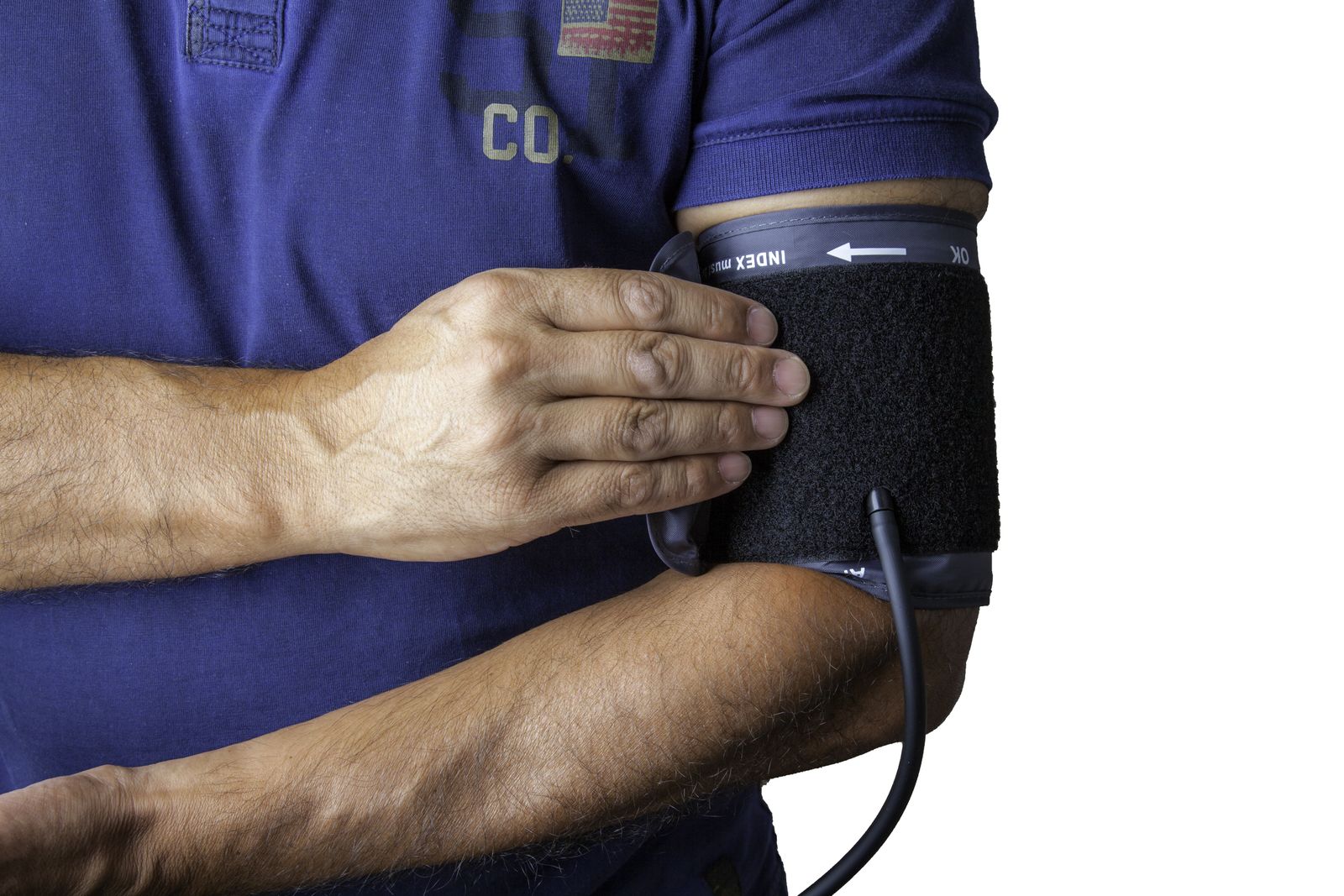
Blood pressure is one of the most important numbers for your long-term health, so it is no surprise people want to know how a sauna affects it. The short version: heat produces a measurable, short-term change in blood pressure, and understanding it helps you use a sauna both sensibly and safely. At Elysian Solara, here is the honest picture.
The Short Answer
In the moment, sauna heat causes your blood vessels to widen, which tends to lower blood pressure during and shortly after a session. Over the longer term, regular sauna use has been associated with a lower risk of developing high blood pressure in observational research. That is an association, not proof that the sauna is the cause — and it is a supportive habit, not a treatment.
What Happens to Your Blood Pressure in a Sauna
When you heat up, your body sends blood towards the skin to shed heat, and your blood vessels dilate (widen) to allow it. Wider vessels mean less resistance, which lowers blood pressure. At the same time, your heart rate rises to keep blood moving — broadly similar to the response you get from light exercise.
An experimental study of 102 adults who each had at least one cardiovascular risk factor measured this directly. After a single 30-minute session at 73 °C, average systolic blood pressure fell from 137 to 130 mmHg and average diastolic from 82 to 75 mmHg — roughly 7 mmHg on each measure. Systolic pressure was still below its pre-sauna level after 30 minutes of recovery [3]. This was a before-and-after study without a comparison group, so it shows what happens around a sauna session rather than proving the sauna alone caused every part of the change.
This is why many people feel relaxed and a little "loose" after a session, and also why standing up too quickly afterwards can occasionally cause a head-rush.
Can Regular Use Lower Resting Blood Pressure?
This is the more interesting question, and the honest answer is that the evidence is suggestive rather than settled.
The best-known data come from the long-running Finnish cohort work. In a prospective study of 1,621 middle-aged Finnish men who did not have hypertension at the start, men reporting four to seven sauna sessions a week were about half as likely to be diagnosed with hypertension over a median 24.7 years of follow-up as men using a sauna once a week (hazard ratio 0.54, 95% CI 0.32–0.91) [1]. Two important caveats travel with that number: it is observational, so it cannot establish cause, and the participants were middle-aged Finnish men, which limits how far the finding stretches to other populations.
Separately, a small controlled trial gives a hint at the mechanism. Twenty young, sedentary adults were assigned to either eight weeks of repeated hot-water immersion or a thermoneutral sham. The heat group showed improved flow-mediated dilatation, reduced arterial stiffness and a fall in mean arterial and diastolic blood pressure, while the sham group showed no change [2]. Worth noting: that trial used hot-water immersion rather than a sauna, and involved only ten people per group — so it is a useful signal about passive heat generally, not direct proof about saunas.
The proposed mechanism is that repeatedly dilating your vessels and gently challenging your cardiovascular system may help keep it supple and responsive. Taken together, the effect appears real but modest, and it rests on observational and small-trial evidence. Think of a sauna as one helpful contributor among many, working alongside exercise, a good diet and a healthy weight — not a stand-in for them.

A Caution Worth Knowing
Because blood pressure drops during and shortly after a session [3], a few groups need to take care. If you already have low blood pressure, or take medication to lower it, the combined effect can leave you light-headed — especially when standing up after a session. The same applies if you have been drinking alcohol, which compounds the drop.
The simple fix: rise slowly, cool down gradually, hydrate, and never combine a sauna with alcohol. If you take blood pressure medication or have a cardiovascular condition, talk to your doctor before starting regular sessions.
How to Use a Sauna Sensibly
Keep sessions moderate, hydrate before and after, and pay attention to how you feel. Build the habit gradually rather than chasing long, extreme sessions. If you monitor your blood pressure at home, you can track how your body responds over time — ideally in conversation with your doctor.
Not a Replacement for Treatment
If you have high blood pressure, a sauna may be a pleasant addition to your day, but it is not a substitute for prescribed medication, lifestyle changes or medical monitoring, and no research compares sauna use against blood pressure treatment. Never change or stop a prescribed medicine because of anything you read here. Always follow your doctor's guidance first.
The Elysian Solara Take
A sauna's effect on blood pressure is one of the clearest, most tangible ways heat interacts with your cardiovascular system. Used sensibly and alongside proper medical care, it is a pleasant habit with some encouraging — though not conclusive — evidence behind it.
FAQ: Saunas and Blood Pressure
Does a sauna raise or lower blood pressure?
Blood pressure tends to fall during and shortly after a session, because your blood vessels widen. In one study of 102 adults, systolic and diastolic pressure each fell by roughly 7 mmHg after a single 30-minute session [3]. Heart rate rises at the same time, broadly similar to light exercise.
Can saunas help with high blood pressure?
In a long-running Finnish cohort, frequent sauna use was associated with a lower risk of being diagnosed with hypertension [1] — an association, not proof of cause. A sauna is a complement to, never a replacement for, medical care and lifestyle change.
Is a sauna safe if I take blood pressure medication?
It may be, but the combined blood-pressure-lowering effect can cause light-headedness. Check with your doctor first, rise slowly, and hydrate well.
Why do I feel dizzy after a sauna?
Your blood pressure is temporarily lower and blood has pooled near the skin. Standing slowly, cooling gradually and rehydrating usually resolves it. If dizziness is severe or persistent, see your doctor.
References
- Zaccardi F, Laukkanen T, Willeit P, Kunutsor SK, Kauhanen J, Laukkanen JA (2017). Sauna Bathing and Incident Hypertension: A Prospective Cohort Study. American Journal of Hypertension. PMID: 28633297
- Brunt VE, Howard MJ, Francisco MA, Ely BR, Minson CT (2016). Passive heat therapy improves endothelial function, arterial stiffness and blood pressure in sedentary humans. The Journal of Physiology. PMID: 27270841
- Laukkanen T, Kunutsor SK, Zaccardi F, Lee E, Willeit P, Khan H, Laukkanen JA (2018). Acute effects of sauna bathing on cardiovascular function. Journal of Human Hypertension. PMID: 29269746
This article is general information only and is not medical advice. It is not intended to diagnose, treat, cure or prevent any condition. If you have high or low blood pressure, a heart condition, or take any medication, speak with your doctor before starting regular sauna use.
Design Your Home Wellness Space
At Elysian Solara, we help Australian homeowners design premium wellness spaces — saunas, ice baths, infrared therapy and recovery technology — built around long-term value and evidence-informed design.
Request a quote today and start planning your own private wellness retreat.